

FAITH & PROCESS

For Timothy Schmalz, faith and craft are not two separate things. One shapes the other, every day, in a studio that runs less like a workshop and more like a chapel. This is the story of how belief becomes bronze.

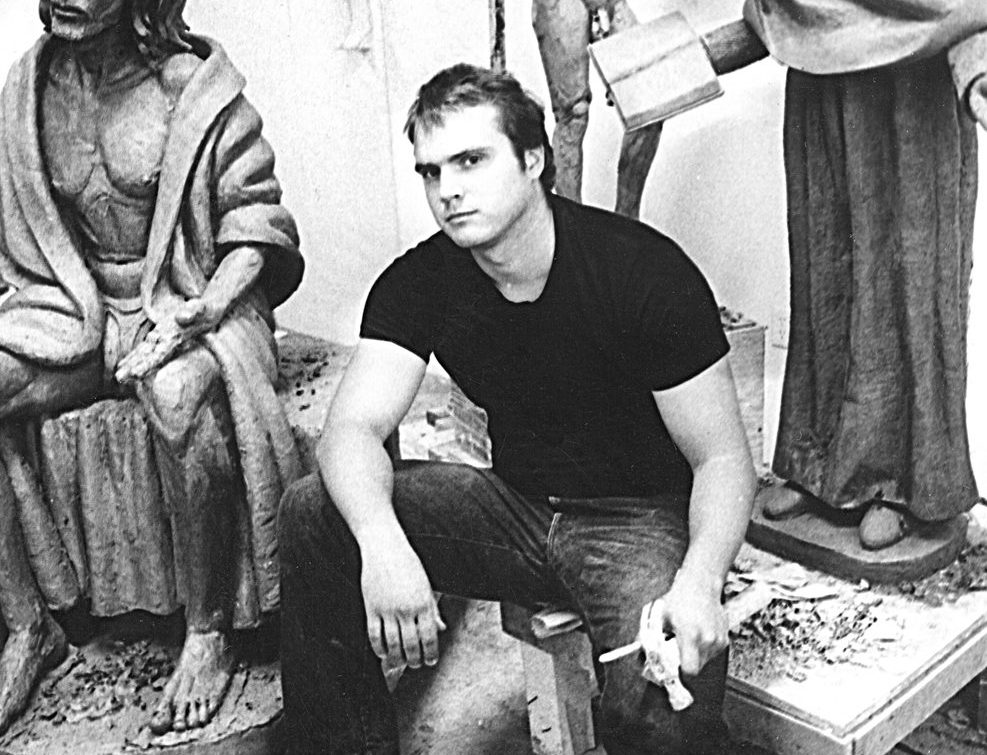
At 19, Timothy Schmalz walked away from the Ontario College of Art after only three months. He’d earned his place there, but the culture around him — art that chased shock and novelty over meaning — left him, in his words, dead in spirit.

The turning point came alone in an unheated studio in downtown Toronto. He spent a full day sculpting a chaotic dream, and when he stood back to look at it, he felt something was wrong — indulgent, self-referential, empty. He wiped the slate clean and sculpted something simple instead: a crucifixion.

That single piece brought him a happiness he couldn’t explain — and from that day, he made the decision that would define his career: to sculpt Christian subjects, exclusively, in a secular art world that had little patience for it. A Jesuit art historian, Father Peter Larisey, became an early mentor, helping him bridge his talent with his faith.

“I want my sculptures to speak the language of compassion and invite everyone to reflect on the dignity of each human being.”

– Timothy Schmalz

Faith isn’t a theme Schmalz visits when it’s convenient — it’s built into the rhythm of his day. He begins early, often before sunrise, and works long hours with Scripture — the Old and New Testaments — playing on a loop in the background. Not as inspiration for a single piece, but as a kind of atmosphere: the constant texture of the room he works in.

The physical act of applying clay, piece by piece, becomes repetitive and meditative — closer, he’s said, to praying the rosary than to conventional studio work.

Ideas rarely arrive on command. More often, a single verse — heard hundreds of times over weeks — settles into place, until it demands to become something physical.

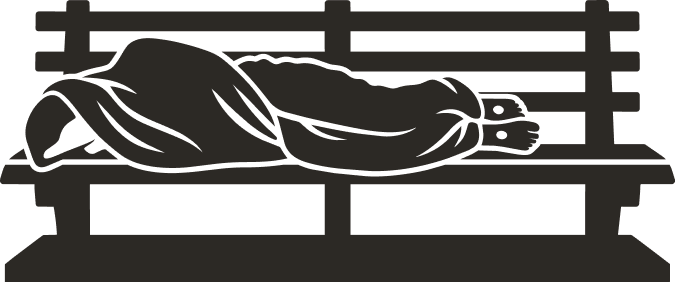
Homeless Jesus began on a Toronto street, when Schmalz saw a figure completely wrapped in a sleeping bag and thought, simply: that’s Jesus.


Angels Unawares grew out of Hebrews 13:2 — “Be welcoming to strangers, for many have entertained angels unawares” — looping in the studio for months before a commission from the Church gave it a form: a boat crowded with migrants, ancient and modern, wings rising from its center.


From Clay to Bronze:
The Process

Sketch

Ideas often start as spontaneous drawings and paintings on wood panel, worked out in paint, pen, and metal leaf.

Maquette

A small clay model captures the composition and the raw emotion of the piece before anything is scaled up.

Monumental Clay

The design grows to life-size or larger, built over steel armatures and shaped with the help of live models over months — sometimes holding difficult poses like a crucifixion.
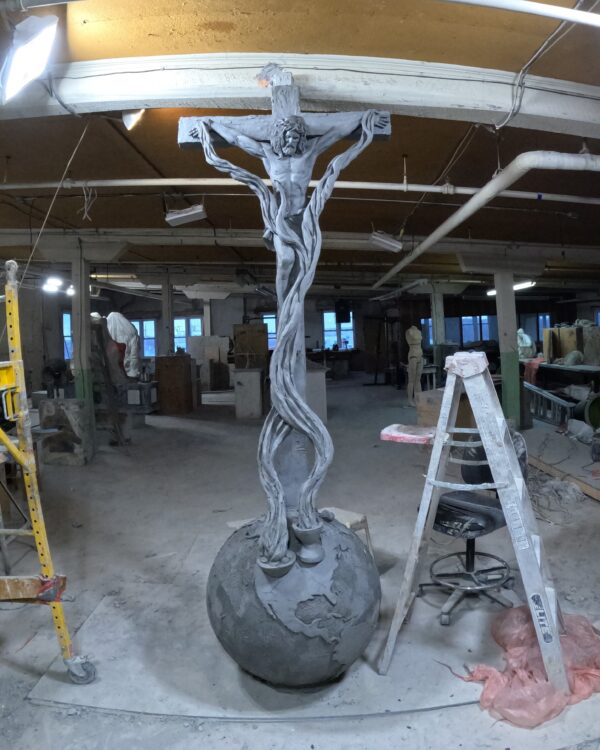
Escultura monumental en arcilla

Mold & Wax

Using the ancient lost-wax process, a rubber mold captures every detail, and wax replicates the form in preparation for casting.
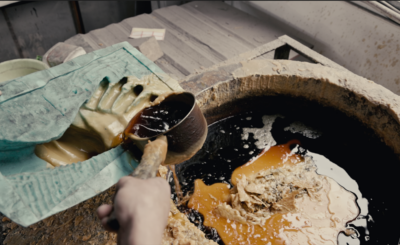
Molde y cera del proceso de fundición

Bronze Cast

Sections are cast in over 2,000°F molten bronze, then welded together and finished with a hand-applied patina.
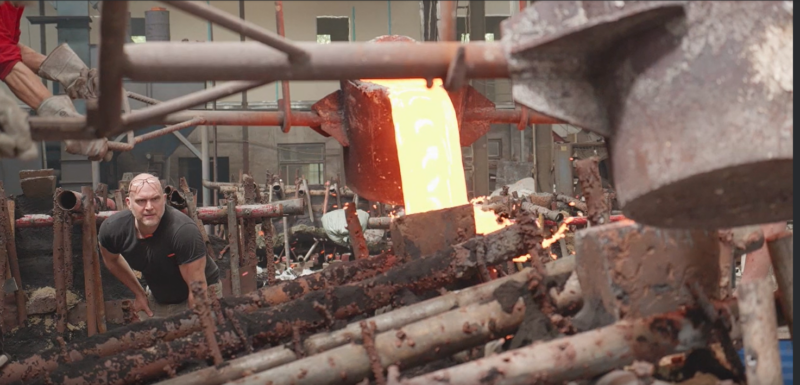
Fundición de bronce

Now you’ve discovered the journey behind the bronze.
Explore the sculptures that bring it to life